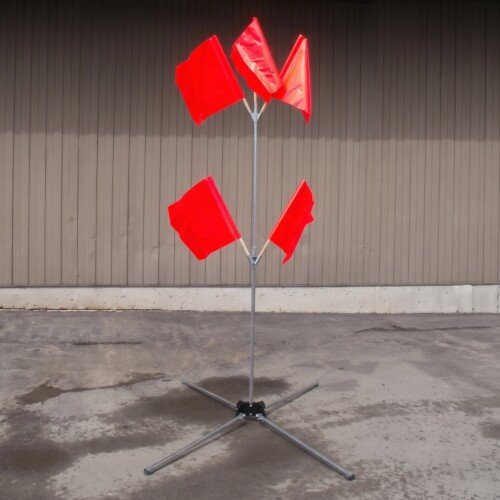
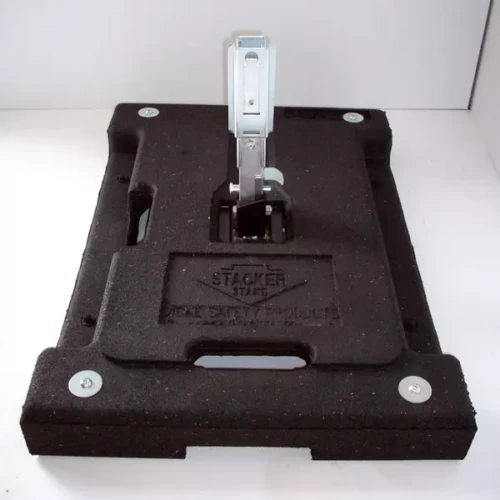
Unlike a permanent highway sign that might sit undisturbed for a decade, temporary traffic control (TTC) devices lead a brutal existence. They are constantly deployed, tossed into the backs of work trucks, exposed to extreme weather, and subjected to the corrosive grime of high-speed traffic.
Because of this, there is no universal expiration date for a sign, stand, or traffic drum. The service life of a temporary traffic control device is determined entirely by its daily condition and its ability to meet strict MUTCD visibility and safety standards.
The ATSSA Quality Guidelines: Acceptable, Marginal, or Unacceptable?
The industry standard for evaluating equipment wear and tear is established by the American Traffic Safety Services Association (ATSSA). They categorize device conditions into three levels:
- Acceptable: The device meets all minimum MUTCD requirements. Reflectivity is high, colors are vibrant, and the structural integrity is intact. It is approved for use.
- Marginal: The device is showing noticeable wear, such as minor fading, scratches, or small dents, but still performs its basic function. It can remain in the work zone but should be flagged for replacement soon.
- Unacceptable: The device has degraded past the point of compliance. It must be immediately removed from service and destroyed or recycled.
Identifying "Unacceptable" Wear by Device Type
To keep your work zones compliant and safe, crews should conduct daytime and nighttime inspections to identify these specific failure points.
Roll-Up Traffic Signs
Flexible signs bear the brunt of environmental damage. An unacceptable roll-up sign will show:
- Loss of Retro-Reflectivity: If the micro-prismatic sheeting (HIP or Diamond Grade) is severely scratched or covered in permanent asphalt spray, it will fail nighttime visibility requirements.
- Delamination and Tearing: When the reflective face begins separating from the heavy-duty fabric backing, or if there are tears larger than an inch, the sign cannot be safely deployed.
- Significant Fading: If the fluorescent orange has faded to a pale yellow or pink, it loses its daytime contrast and must be retired.
Sign Stands & Hardware
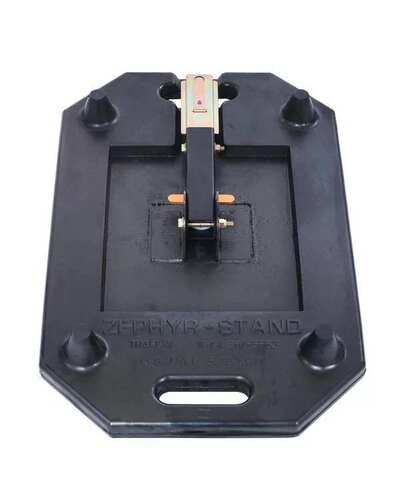
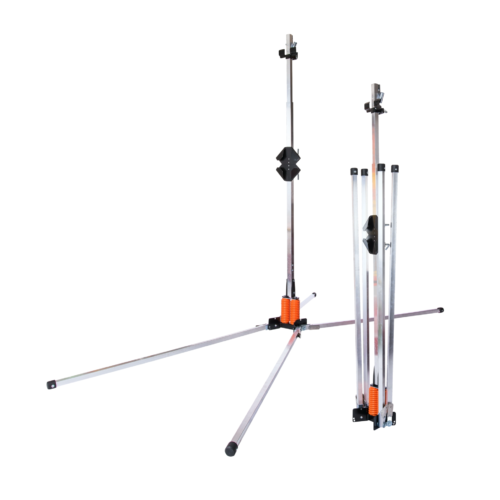
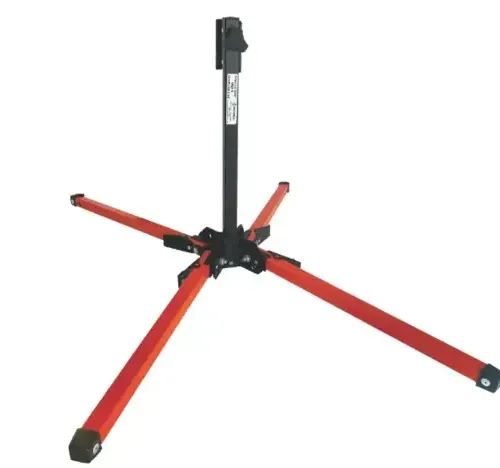
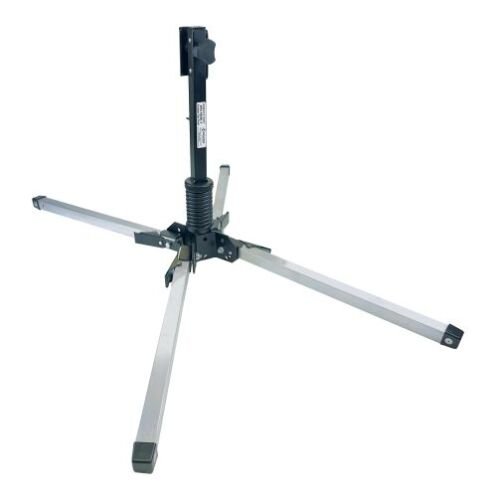
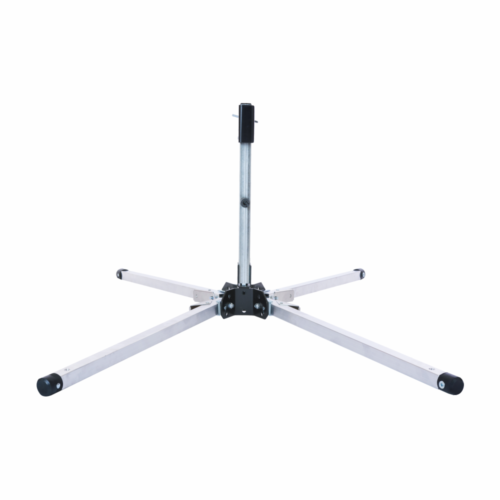
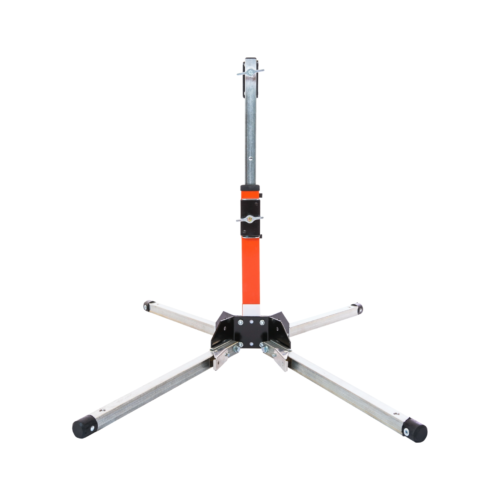
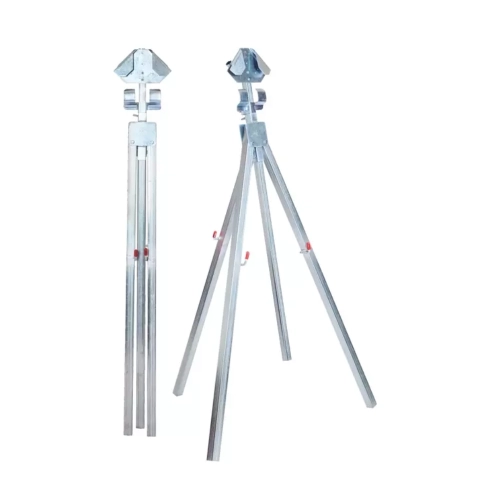
A stand's service life ends when its mechanical integrity is compromised, which risks a high-wind blowout or a dangerous failure during a vehicle impact.
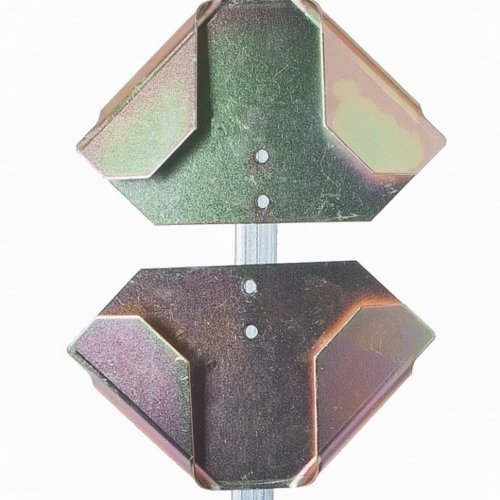
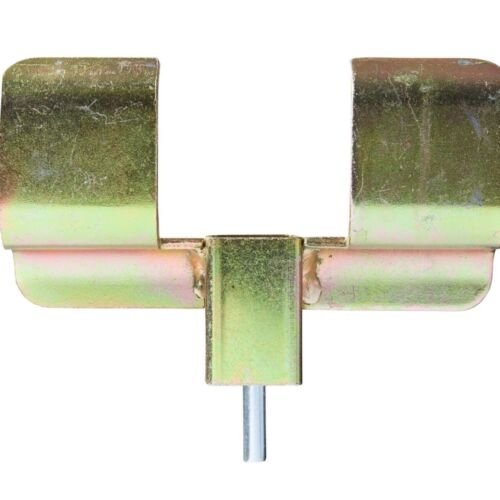
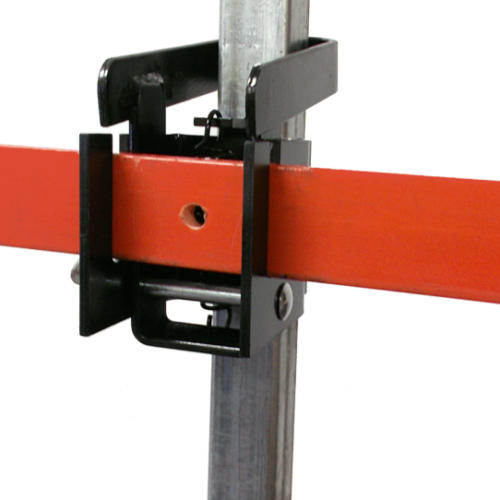
- Bracket & Joint Fatigue: Inspect the primary stress points. While quality brackets are made of durable zinc-plated steel or aluminum, extreme torsion over time can cause bending, stripped threads, or metal fatigue.
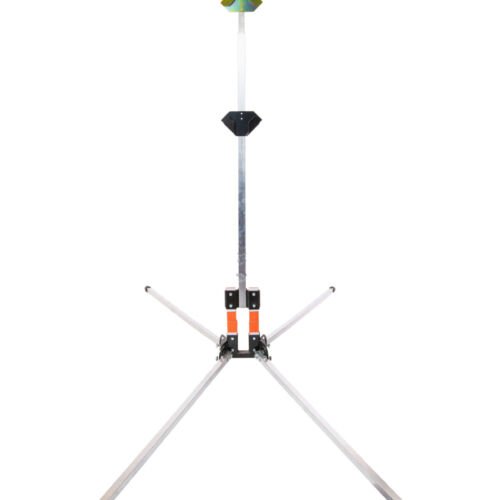
- Spring Degradation: The dual-springs on heavy-duty stands should snap back to a vertical position. If the springs have stretched or lost tension, the stand will sag and fail to spill wind properly.
- Bent or Jammed Legs: Aluminum legs must slide and lock smoothly. If a leg is crushed, bent, or if the kick-release mechanism is permanently jammed, the stand's footprint is compromised.
Traffic Cones and Drums
Channelizing devices are considered consumables in high-traffic work zones, but their life can be extended with proper care.
- Reflective Band Damage: The reflective collars on cones and drums frequently peel or scrape off from rough handling. If a band is missing more than 20% of its material, the device is unacceptable.
- Structural Cracks: A split drum or a cone with a torn base will not withstand highway drafts and must be replaced.
Routine Maintenance to Extend Service Life
You can significantly extend the life of your equipment through basic preventative maintenance:
- Clean Your Gear: Wash reflective surfaces with a mild detergent and water. Road salt and dirt physically block light from entering the retroreflective prisms.
- Store Properly: Store roll-up signs flat or loosely rolled. Avoid throwing heavy metal stands on top of folded sign panels, which causes deep creasing and tears.
- Lubricate Moving Parts: Keep the telescoping legs and bracket mechanisms on your sign stands free of grit to prevent the aluminum from binding.
Need to Replace Worn Equipment?
For more guides on traffic safety equipment, regulatory compliance, and field maintenance, return to the Eastern Metal Knowledge Center.
-
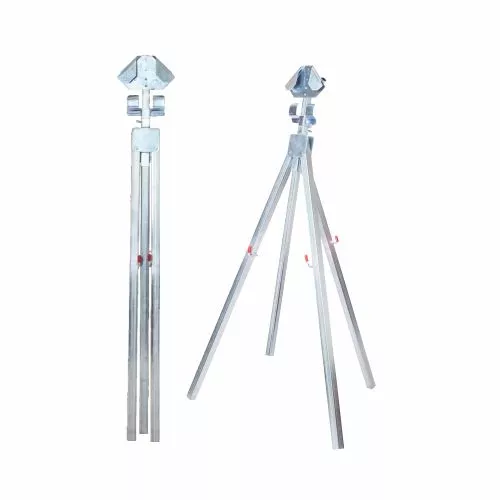 Apex Sign Stands, Economy Sign Stands, Sign Stands
Apex Tripod Sign Stand MASH Approved WZ-448
Select options This product has multiple variants. The options may be chosen on the product pageQuick View -
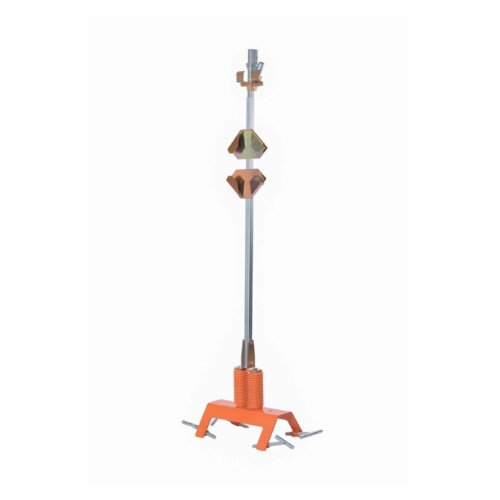 Median Barrier and Guard Rail Sign Mounts
Jersey Barrier Sign Mount | Wind Deflection | Eastern Metal
Select options This product has multiple variants. The options may be chosen on the product pageQuick View -
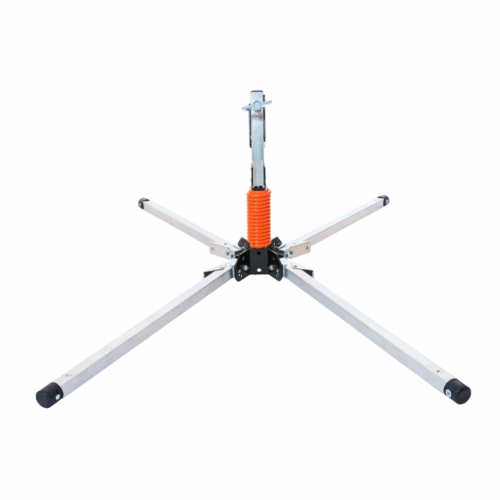 Apex Sign Stands, Compact Sign Stands, Sign Stands
Apex Recoil – Compact Sign Stand Coil Spring Wind Deflection MASH Approved WZ-436a
Select options This product has multiple variants. The options may be chosen on the product pageQuick View -
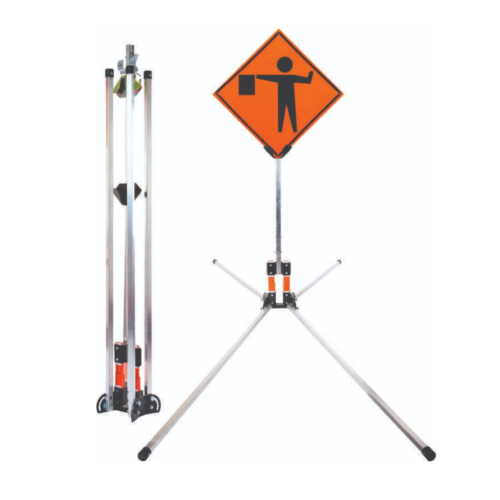 Apex Sign Stands, Full-Size Sign Stands For Temporary Traffic Control
Summit Full Size Sign Stand Dual Leaf Spring MASH wz-450
Select options This product has multiple variants. The options may be chosen on the product pageQuick View -
 Apex Sign Stands, Mid-Size Sign Stands, Sign Stands, Sign Stands, XPress Program
Apex Dual Recoil Mid-Size Traffic Sign Stands
Select options This product has multiple variants. The options may be chosen on the product pageQuick View -
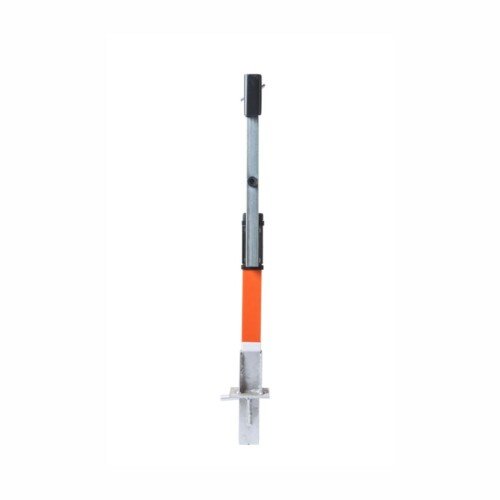 Median Barrier and Guard Rail Sign Mounts, Sign Stands
Leaf-Spring Guard Rail Sign Mount | Eastern Metal
Select options This product has multiple variants. The options may be chosen on the product pageQuick View