
The central engineering and product hub for professional temporary traffic control (TTC) roll-up signs, reflective materials, and MUTCD compliance standards.
In temporary traffic control, work zone safety relies entirely on high-performance flexible signage that can withstand harsh field conditions, rapid deployment, and severe weather. Eastern Metal Signs & Safety supplies heavy-duty, MUTCD-compliant roll-up signs engineered with elite microprismatic retroreflective technologies.
Explore our primary roll-up sign material lines below to find the exact performance tier required for your highway construction, utility, or emergency response operations.
Explore Our Roll-Up Sign Materials
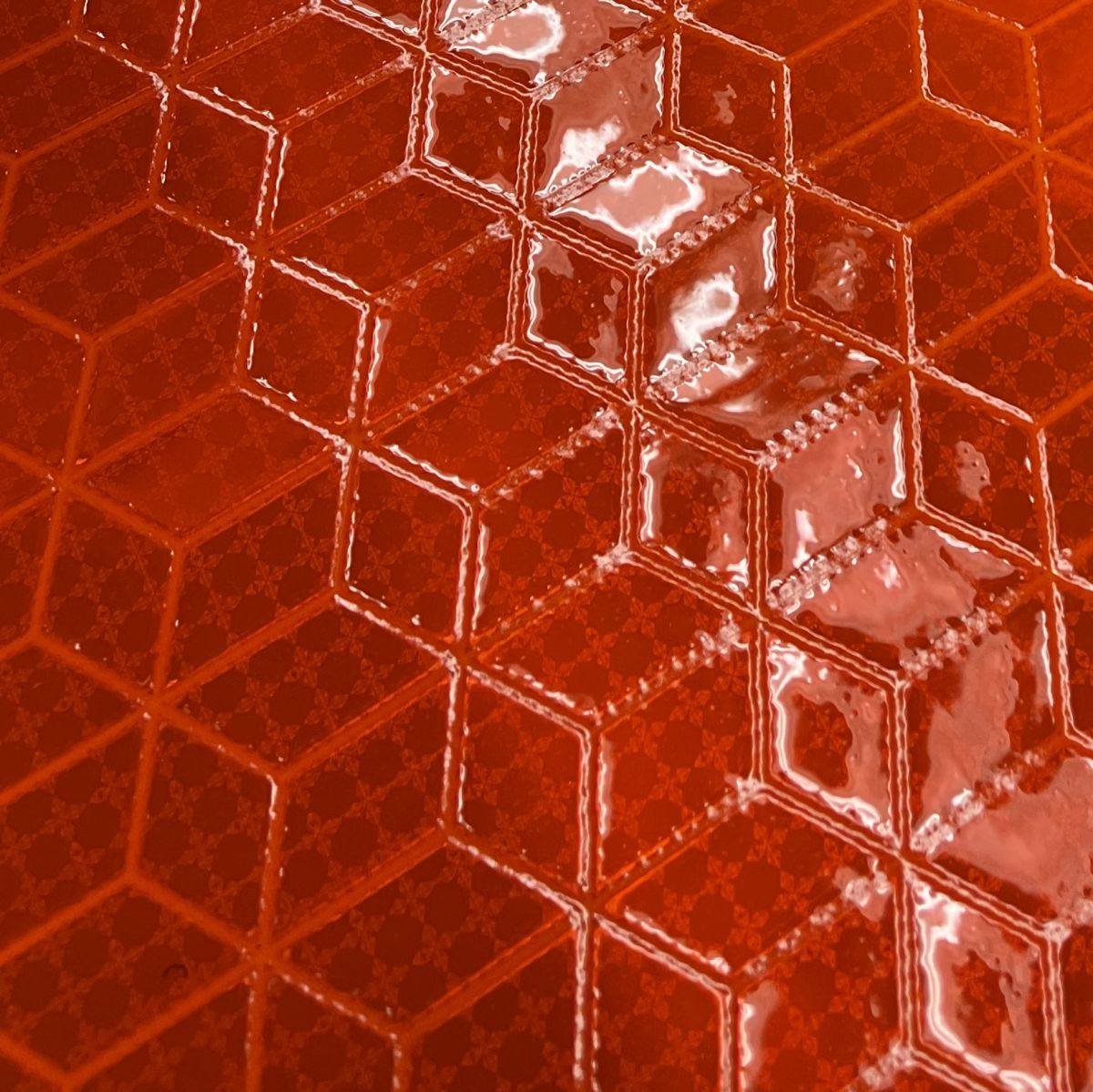
ORALITE® Marathon™
Heavy-Duty Work Zone Material
Engineered to solve the historical challenges of roll-up signs. Features a high-performance microprismatic layer permanently bonded to a tear-resistant, fabric-reinforced vinyl mesh backing.
- Colors: White, Fluorescent Orange, Fluorescent Yellow-Green
- Ideal For: Daily road maintenance, utility crews, and general work zones
- Durability: 3-year expected field life
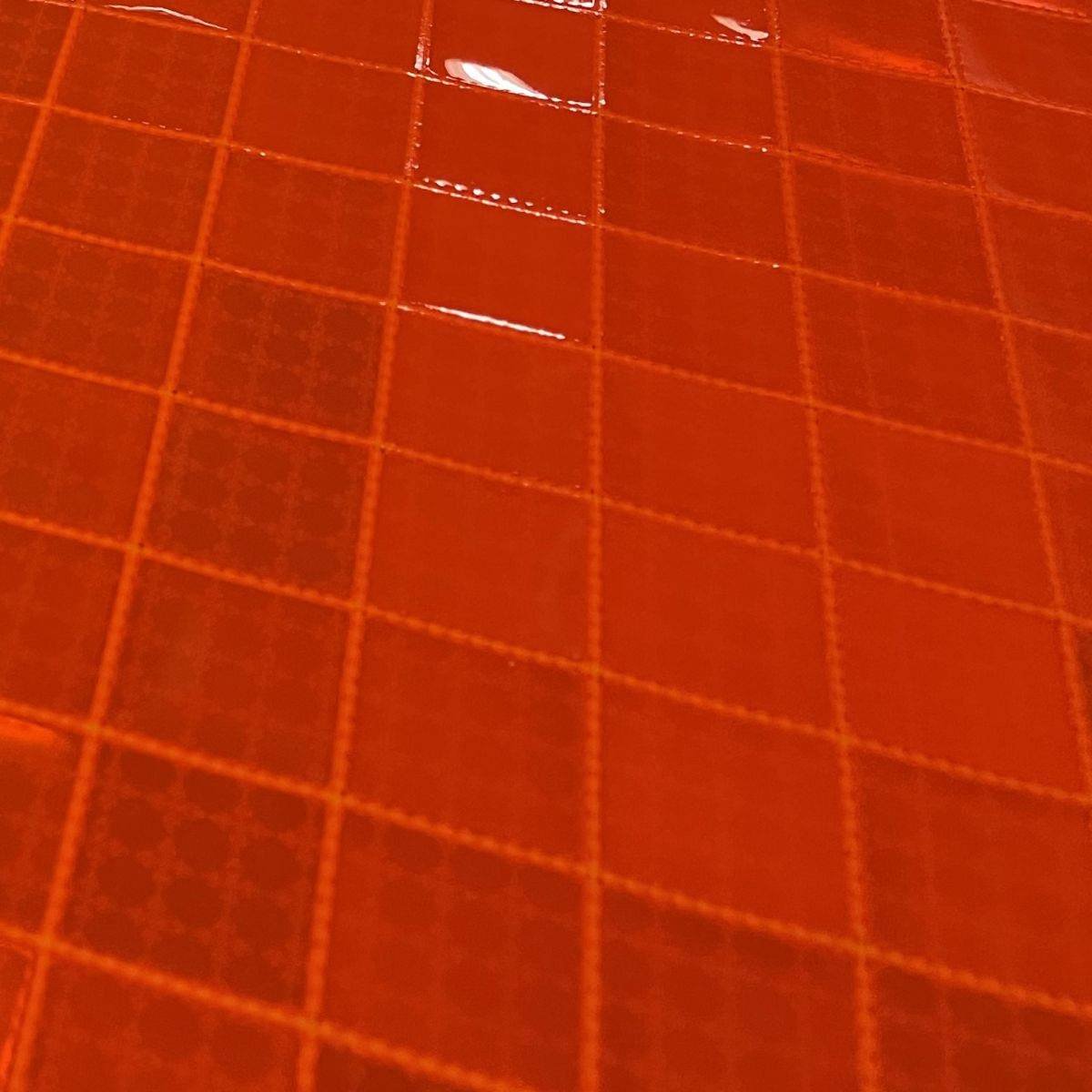
ORALITE® Super Bright™
High-Intensity & Incident Management
An elite high-intensity microprismatic sheeting built for maximum long-distance visibility. The go-to standard for emergency responders requiring MUTCD-mandated fluorescent pink.
- Colors: White, Yellow, Fluorescent Orange, Fluorescent Pink
- Ideal For: High-speed highways and emergency incident management
- Durability: 3-year expected field life
Why Choose Professional Roll-Up Materials?
Inferior roll-up signs made from cheap vinyl or glass-bead technology suffer from rapid fading, cracking after folding, and delamination when exposed to UV rays and sub-freezing temperatures. Professional traffic control signs utilize ASTM D4956 Type VI, Class 5 elastomeric retroreflective sheeting.
By combining microprismatic cube-corner optics with heavy-duty fabric-reinforced vinyl mesh, these materials maintain structural memory, lay flat after storage, and bounce headlight beams directly back to drivers to maximize advance warning recognition distance.
