What is the Right Height for a Flagger's STOP/SLOW Paddle?
Getting the height right isn't just about following the rules—it's about site safety, early visibility, and saving your flagger's back.
If you've ever worked on a road crew, you know flaggers are the ones keeping everyone safe. And their absolute most important tool? The classic STOP/SLOW paddle. We all recognize the octagon shape and the bright reflective colors, but one question comes up out in the field all the time: how high should a STOP/SLOW paddle actually be?
Let's break down the industry standards and look at how we tackle this at Eastern Metal Signs and Safety to make sure your crew goes home safe every night.
What the MUTCD Says About Height
The Manual on Uniform Traffic Control Devices (MUTCD) is the official rulebook for road safety gear. It gets highly specific about the paddle itself—requiring it to be at least 18 inches wide with 6-inch letters—but when it comes to height, the rules focus on practical visibility.
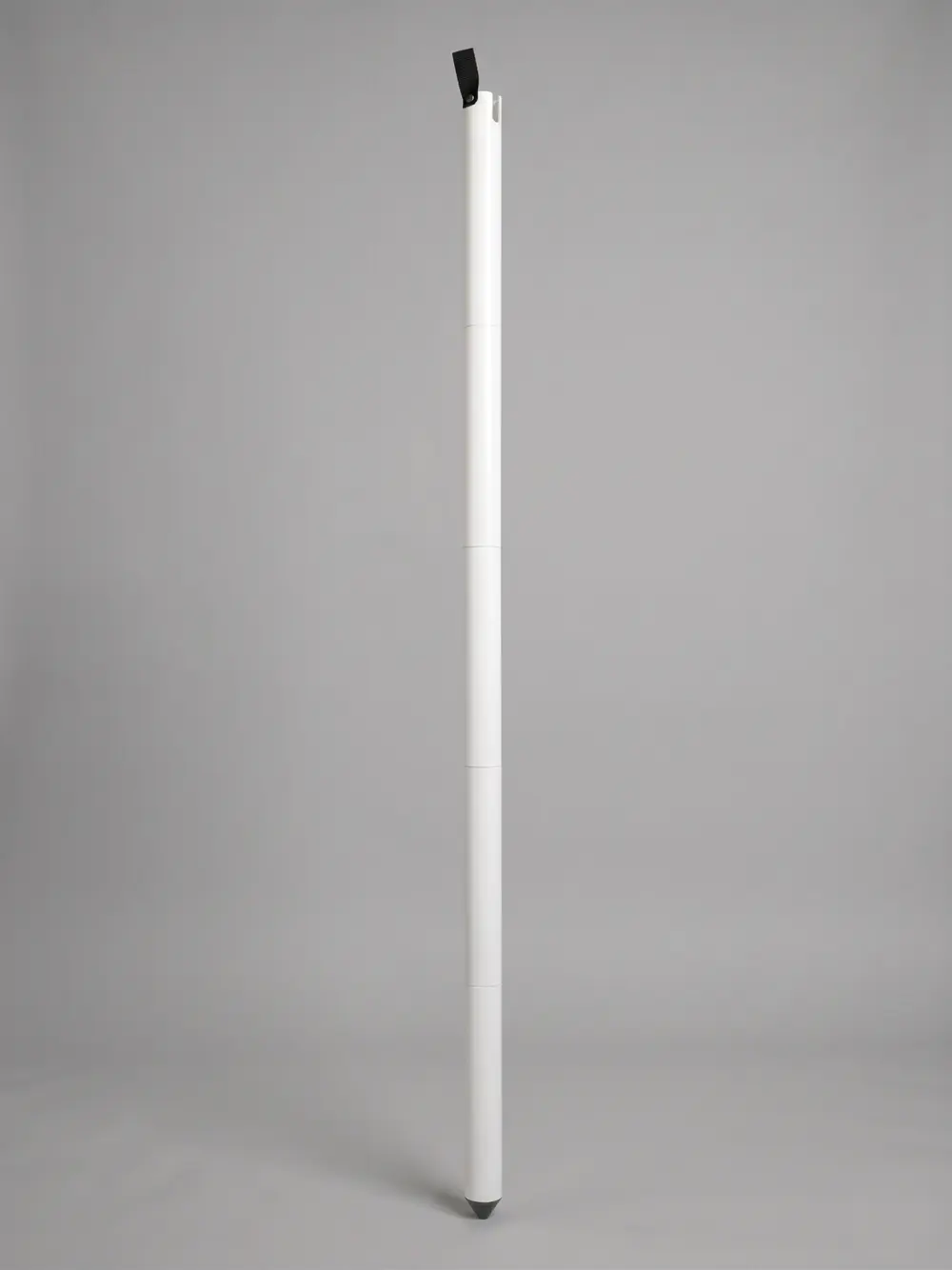
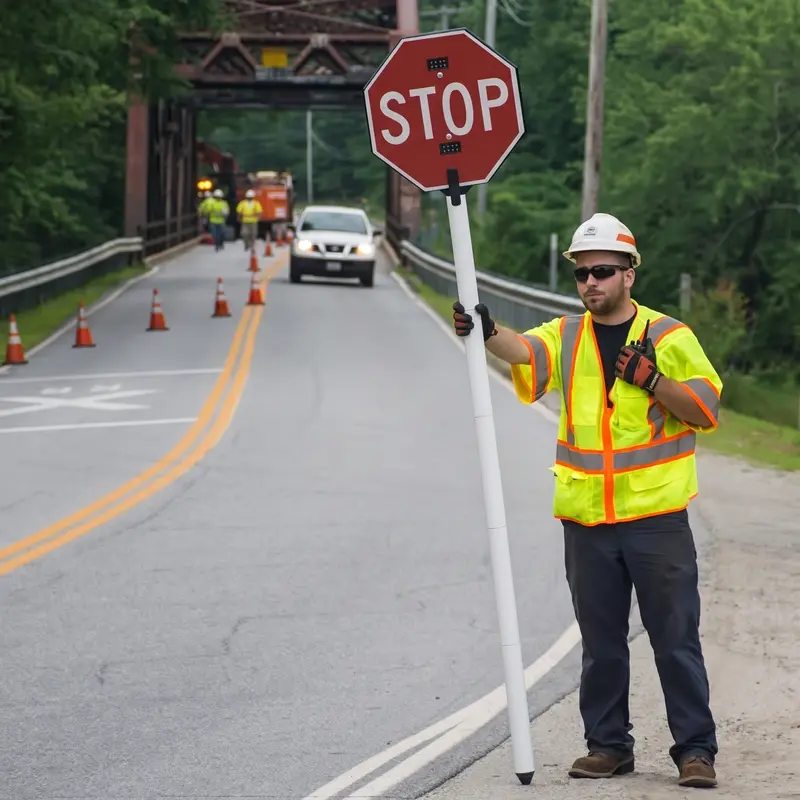
The MUTCD states that you should mount your paddle on a rigid staff that is tall enough so that when the bottom of the pole is resting on the ground, the sign is easily seen by approaching traffic.
Because of this, industry pros highly recommend using a staff that's 6 to 7 feet tall (72 to 84 inches). When you snap an 18-inch or 24-inch paddle onto a pole that long, the whole setup stands about 7.5 to 9 feet high. That is the sweet spot. It puts the sign directly in a driver's line of sight, standing tall over regular cars and making it clearly visible even to folks driving semi-trucks.
Why That Height Actually Matters
Using a tall staff on a job site does three huge things for your crew:
Better Line of Sight
A paddle sitting on a 6 to 7-foot staff is right at eye level for commercial drivers and towers over the hoods of standard vehicles, giving drivers more time to hit the brakes.
Beating Glare & Clutter
Work zones are messy with dust, glare, and equipment. Elevating the paddle pulls it out of that ground-level chaos so its reflective surface can actually catch headlights.
Saving Your Shoulders
You don't have to physically hold short paddles up at chest height all day. With a tall staff resting on the ground, the flagger just holds it upright. Let the ground do the heavy lifting!
If traffic is moving faster than 60 mph, just being tall isn't enough. The MUTCD recommends bumping up to a 24-inch paddle to make sure drivers can read it from further away. Combine that with a 72-inch staff, and you've got maximum visibility.
How Eastern Metal Signs and Safety Helps
At Eastern Metal Signs and Safety, we build our gear for the people actually using it out in the elements. We know you need tough, reliable equipment to hit that recommended height without dealing with flimsy poles.
Here is how we set you set up for success:
- Smart Support Staffs: You can pair our paddles with 60-inch to 72-inch staffs. They lock together with simple Quik-Snap buttons, meaning you never have to mess with broken threads or jammed couplings.
- The Right Total Height: Snap a 72-inch PVC handle onto one of our 18-inch or 24-inch paddles, and you're sitting at a total height of 90 to 96 inches. When the pole is on the ground, the sign is perfectly positioned in the driver's view.
- LED Paddles for Night Shifts: If you're working at night or in bad weather, our Visual Alert™ LED paddles flash continuously to grab attention. Even when mounted on a 72-inch staff, we make them out of lightweight ABS plastic so they don't get top-heavy and exhaust the flagger.
The Bottom Line
For a STOP/SLOW paddle, a 6 to 7-foot staff is absolutely the way to go. It lets the flagger rest the pole on the ground—saving them from serious fatigue—while keeping the sign right where approaching drivers need to see it.
Investing in solid, MUTCD-compliant gear from Eastern Metal Signs and Safety is one of the easiest and most effective ways to protect your crew and keep traffic flowing smoothly through your work zone.