Work zone traffic control devices take a beating. Between high wind torsion, road salt, and the daily wear and tear of being tossed into the back of a truck, even the most heavy-duty sign stands will eventually require maintenance.
Fortunately, a damaged stand doesn’t always mean you need to buy a completely new unit. Many components are designed to be modular. By knowing how to identify and swap out specific hardware in the field or back at the shop, you can significantly extend the operational life of your equipment and protect your bottom line.
1. Triage: Repair vs. Replace
Before turning a wrench, you must determine if the stand is safe to repair. Federal MASH-2016 compliance relies on the structural integrity of the stand's base and mast.
- Repairable: Stripped bolts, worn-out springs, sticking leg-release mechanisms, or warped brackets.
- Unacceptable (Replace Completely): Severe structural cracks in the central base casting, deeply crimped or sheared aluminum legs, or any damage that prevents the stand from sitting flush on the pavement.
2. Replacing Brackets and Joints
The brackets connecting the vertical mast to the base bear the brunt of wind deflection and setup force. Because of this stress, they are prime candidates for eventual replacement.
- Material Check: Quality sign stand brackets are almost always made of zinc-plated steel or aluminum to resist corrosion and metal fatigue. If you notice severe rust or bending, it is time for a replacement.
- The Process: Most bracket replacements require standard socket sets and wrenches. Simply unbolt the mast from the base plate, remove the damaged bracket, and secure the replacement. Always ensure you are using the manufacturer's exact replacement hardware, as using lower-grade bolts from a hardware store can compromise the stand's wind deflection capabilities.
3. Swapping Out Fatigued Springs
The dual-spring deflection system is what keeps your high-wind stands upright. Over time, extreme gusts can overextend these springs, causing the sign mast to sag permanently.
- Identification: If the springs do not snap back into a perfectly vertical position when the stand is at rest, they have lost their tension.
- The Process: To replace them, loosen the heavy-duty bolts securing the bottom of the springs to the leg base plate. Then, remove the top bracket connecting the springs to the mast. Slide the new springs into place and torque the bolts strictly to the manufacturer's specifications—over-tightening can strip the threads, while under-tightening will result in a wobbly sign.
4. Fixing Kick-Release Leg Mechanisms
Telescoping and kick-release legs frequently jam due to road dirt, asphalt dust, and grit getting trapped in the aluminum sliding channels or the spring-loaded pins.
- Cleaning and Lubrication: Often, a jammed leg simply needs to be flushed out. Use a compressed air nozzle to clear debris from the pin mechanism, followed by a dry PTFE (Teflon) lubricant. Avoid heavy oil or grease, as these will actually attract and trap more dirt.
- Pin Replacement: If the kick-release pin itself is sheared off or severely bent, the individual leg mechanism can usually be unbolted at the main pivot point and swapped out for a fresh aluminum leg assembly.
For more guides on traffic safety equipment, regulatory compliance, and field maintenance, return to the Eastern Metal Knowledge Center.
-
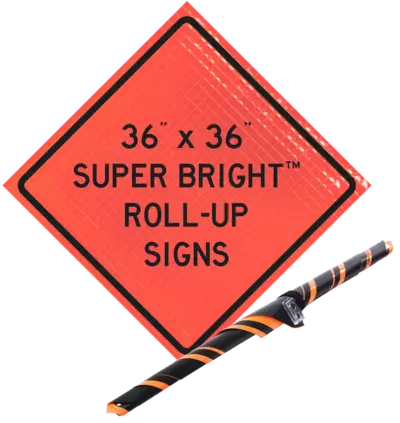 Super Bright Vinyl 36" x 36"
36″ x 36″ Roll-Up Signs – Super Bright™ Reflective Vinyl
Select options This product has multiple variants. The options may be chosen on the product pageQuick View -
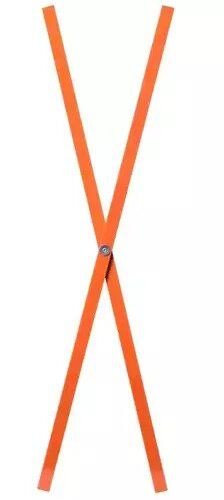 Roll Up Accessories
Replacement Rib Sets
Select options This product has multiple variants. The options may be chosen on the product pageQuick View