Whether you are looking to start a new career in traffic control, or you are a contractor needing to ensure your crew is fully compliant before the next road project, finding the right certified flagger training is critical. Flaggers are the first line of defense in work zone safety, protecting both the construction crew and the traveling public.
But with so many options—ranging from quick online modules to intensive in-person workshops—how do you know which course meets your local Department of Transportation (DOT) and federal OSHA requirements?
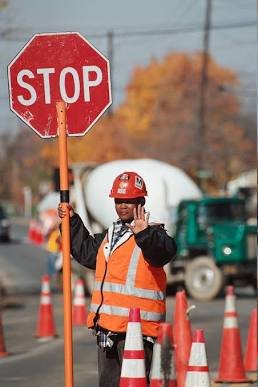
Here is a breakdown of how to find certified, reputable flagger training near you, what to expect from the curriculum, and how to ensure your certification is valid for your specific job site.
Understanding the Requirements: MUTCD and OSHA
Before you sign up for any class, it is important to understand why the training is structured the way it is. All legitimate flagger certification courses are built on two foundational pillars:
- The MUTCD (Manual on Uniform Traffic Control Devices): Published by the Federal Highway Administration, this manual dictates the national standards for all traffic control, including the specific hand signals, paddle usage, and channelizing device placement flaggers must use.
- OSHA Standard 1926.201(a): OSHA directly references the MUTCD, making its guidelines a legal requirement for construction safety.
State-Specific Rules: While the MUTCD sets the national baseline, individual states often have their own specific requirements. For example, if you are working on a project in New York, you need a certification that explicitly meets the NYS Department of Transportation (NYSDOT) standards, which may differ slightly from neighboring states like Pennsylvania or New Jersey.
Where to Find Reputable Flagger Training Courses
When searching for a course, you generally have two paths: National online providers and local/regional in-person training centers.
1. National Online Training Providers (Best for Flexibility)
If your state allows online certification, this is often the fastest and most cost-effective route. These courses are generally self-paced, take about 2 to 4 hours to complete, and allow you to download your certificate immediately.
- ATSSA (American Traffic Safety Services Association): ATSSA is widely considered the gold standard in the traffic control industry. They offer both national and state-specific online flagger courses. Because they are a highly authoritative body, an ATSSA certification is recognized by almost all employers.
- 360training: A massive OSHA-authorized training provider. They offer a 2-hour online flagger traffic control course that covers MUTCD standards, PPE requirements, and hazard recognition.
- OSHA Education Center: They provide a 100% online National Flagger Certification course compliant with OSHA Standard 1926.201(a). Note: You must verify if your specific state accepts this national certificate without additional local training.
2. In-Person and Local Training (Best for Hands-On Learning)
Some states and specific municipal contracts require in-person training so instructors can physically verify that you understand how to execute the flagging motions correctly.
- Local Safety Councils and Consultants: Look for regional safety consulting firms. For instance, organizations like Able Safety Consulting or New York Safety and Training offer specialized 4-hour DOT Flagger classes that meet state-specific requirements.
- University T2 Centers (Technology Transfer Centers): Many state universities host T2 centers funded by the Federal Highway Administration. They frequently host ATSSA-certified in-person flagger workshops.
- Community Organizations: Groups like Goodwill Industries sometimes offer DOT Flagger training as part of their workforce development programs.
What Will You Learn in a Flagger Certification Course?
Regardless of where you take the course, a certified program should thoroughly cover the following core competencies:
- Proper Equipment and PPE: Understanding the requirements for high-visibility safety apparel (ANSI Class 2 or Class 3 vests) and the proper use of STOP/SLOW paddles and flags.
- Standard Flagging Procedures: How to confidently and safely signal drivers to stop, proceed, or slow down.
- Work Zone Setup: Understanding the different zones of a temporary traffic control area (Advance Warning, Transition, Activity, and Termination areas).
- Emergency Awareness: How to react to hostile drivers, emergency vehicles, and job site accidents.
- Positioning: Where to stand so you are visible to traffic but have a clear escape route if a vehicle breaches the work zone.
How to Choose the Right Course
To ensure you don't waste time or money on an invalid certificate, ask yourself these three questions before registering:
- Is the course state-specific? Check with your employer or your state's DOT website to see if a generic national certificate is acceptable, or if you need state-specific training.
- Who is the issuing authority? Look for courses accredited by respected organizations like ATSSA, the National Safety Council (NSC), or directly approved by your state's DOT.
- How long is the certification valid? Most flagger certifications expire after 3 to 4 years. Ensure the provider you choose clearly states the expiration terms and offers refresher courses.
Finding a certified flagger training course near you is the first step toward a vital role in construction and roadway maintenance. By choosing a reputable, MUTCD-compliant program, you ensure that you are bringing the highest level of safety to the job site.